UAE Off-Plan Handover and Snagging Checklist: Defects and Aftercare
Use this UAE off-plan handover and snagging checklist to inspect an apartment, villa or townhouse, record defects and manage developer aftercare.
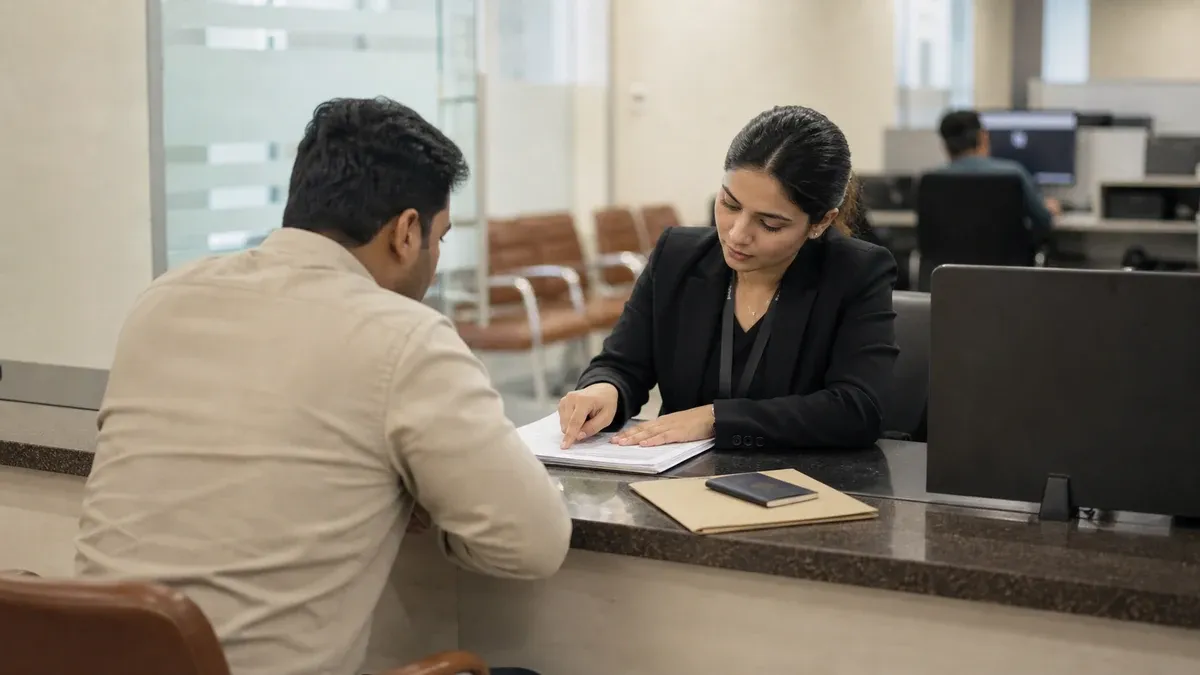
Handover is the point where an off-plan purchase becomes a property you can inspect, operate and maintain. Snagging is the room-by-room inspection used to identify incomplete work, faulty systems, damaged finishes and differences from the agreed specification. The developer sets the appointment and paperwork; the buyer needs to reconcile the account, examine the unit, submit a numbered snagging log and leave with a clear aftercare route.
What’s in this guide:
UAE scope and legal note: The inspection, evidence and aftercare process below is useful across the UAE. The detailed regulatory examples are limited to Dubai and Abu Dhabi, whose authorities publish the buyer-facing material cited here. For a property in another emirate, use the authority and dispute route named in the SPA and current local rules. This guide is for buyer education and does not replace advice on a specific property or claim.
The off-plan handover sequence at a glance
The exact order comes from the SPA and the developer’s handover process. Across different processes, the buyer still needs a clear record at each stage.
Handover starts before the appointment
A handover notice usually gives the completion date, the balance due, documents to bring and the steps required before keys are released. Treat it as the start of a reconciliation exercise.
Open the signed SPA and check the contractual completion and notice clauses. Then compare the developer’s final statement with your receipts and bank transfers. The purchase price, instalments paid, registration charges, documented credits and balance should reconcile. Resolve a discrepancy before the key-desk appointment.
The notice may arrive while other practical work continues around the building. Landscaping, amenity commissioning or access arrangements can still be moving towards full operation. Ask what is available on the appointment date, which shared facilities remain under completion and how residents will enter the building and parking areas.
If a mortgage will fund the final amount, send the notice to the lender immediately. Project valuation, final approval, developer documentation and registration can take time. Projectory’s Dubai handover mortgage checklist covers that financing sequence in detail.
Set up the paperwork before the inspection. The SPA, addenda, signed floor plan and registration documents belong together; statements and receipts need their own folder. Use a third folder for the condition of the property—photos, videos, meter readings and the snag list—and a fourth for aftercare cases and contractor visits. Dates in the filenames will save time when similar defects generate several replies. The Dubai off-plan SPA guide explains which contract schedules are worth bringing to the inspection.
UAE snagging checklist: inspect the property in two passes
Start with a quiet walk through the property. Look at the layout, light, views, room dimensions and major finishes without trying to record every mark. This first pass often reveals a missing item, an unexpected obstruction or a layout point that deserves comparison with the signed plan.
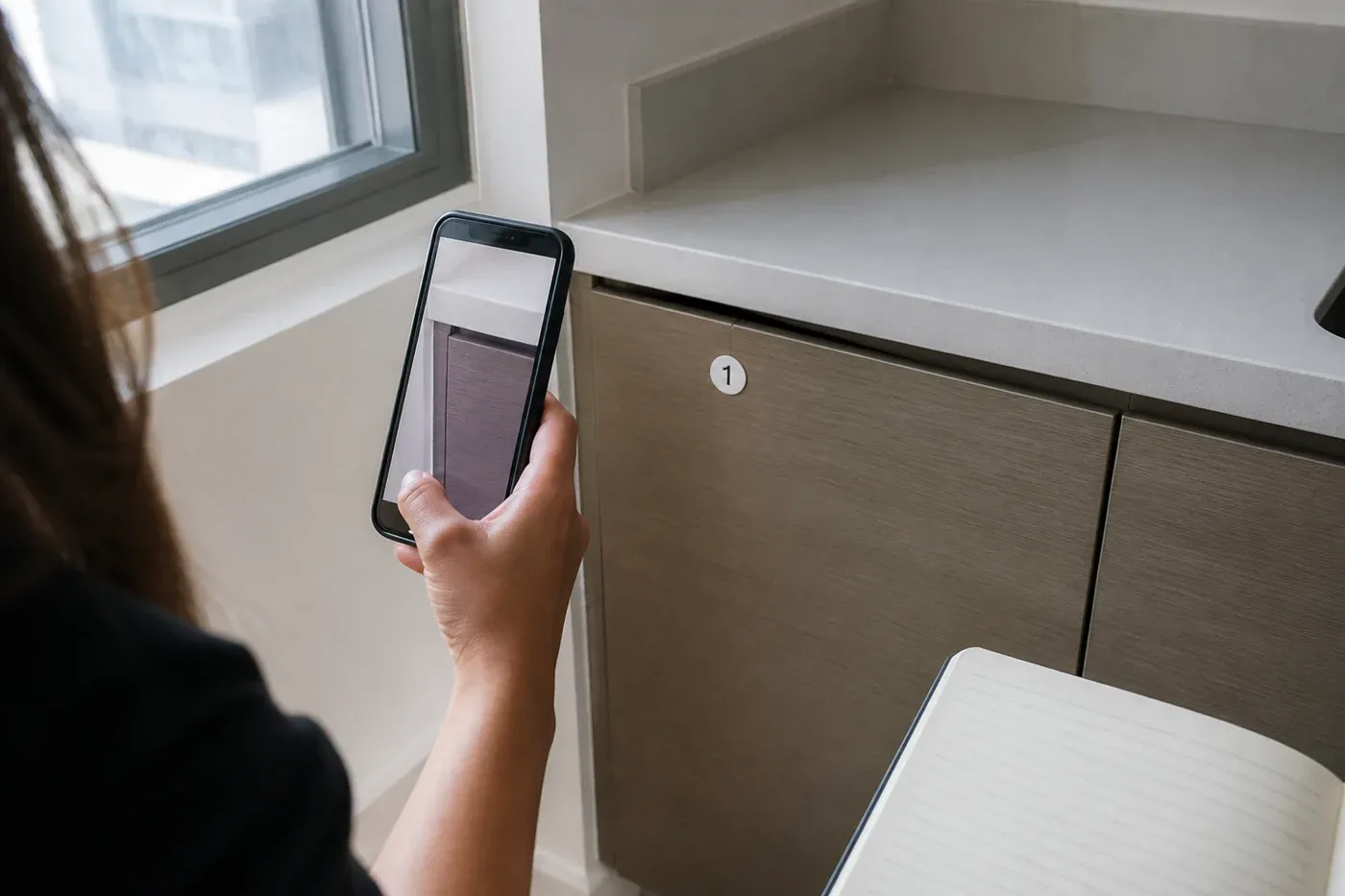
The second pass is systematic. Move room by room and give every defect a unique number. Photograph the issue from a useful distance and again close up. Record the room, surface or fitting, what is wrong and what a satisfactory repair requires. A label such as “kitchen cabinet 03 — door catches on adjacent panel and does not close flush” is easier to action than “cabinet problem”.
Room-by-room snagging checklist
Use the signed floor plan, specification and inclusions schedule as the reference. Record a difference when the property is damaged, incomplete, faulty or inconsistent with those documents. Personal preferences on colour or layout fall outside the snagging log unless the delivered item differs from what was agreed.
Run water long enough to see whether basins and showers drain. Open every fitted door and drawer. Check that windows and external doors close cleanly. Test the controls the developer permits during the appointment and ask how any system that is still being commissioned will be demonstrated later.
A professional snagging inspector can add structure, measurement tools and technical experience. The buyer should still attend where possible. You know which finishes, inclusions and practical details influenced the purchase, and you will be managing access after the inspection.
If you cannot attend, agree the inspection authority and access arrangements in advance. A live video walk-through is useful for the view, layout and obvious finishes, while the inspector’s report should carry the numbered detail. Decide who may sign the condition form, whether they can accept keys and how you will approve completed repairs from abroad. These decisions are difficult to improvise once the appointment has started.
Common areas deserve attention too. A problem with a lift, corridor, pool, gym, parking system or landscaping may sit with the developer, facilities manager or building manager. Find out which team owns it while you are still on site.
Reinspect the completed work in full
Keep the original snag description and evidence after work begins. At reinspection, repeat the test that exposed the problem. Run the same tap, operate the same door, check the same air-conditioning outlet and photograph the repaired area from the same position where practical. Close the item only after the fault has gone and the repair itself is finished cleanly.
If the developer marks an item complete before you have tested it, record the date and request access to verify it. A repaired symptom can return when the underlying leak, alignment or electrical fault remains.
Signing for handover while work remains
Developers use different handover forms. Read the wording before signing, especially any statement about inspection, acceptance, keys, possession or outstanding defects. Attach the snag list or refer to its case number where the process allows.
Minor snagging is common in a newly completed property. What matters later is whether the handover team accepted the item into its system and gave it an identifiable reference. Before you leave, establish the target repair date, how access will be arranged and who has authority to mark the job complete. If a repair fails, you should also know whether the original case can be reopened.
Treat a safety issue, active water leak, loss of essential services or material difference from the contracted unit separately from cosmetic snagging. Document it at once and obtain appropriate technical or legal advice where the impact is significant.
Final payment and defect repair can have separate contractual routes. Check the SPA before withholding any amount. An unsupported deduction or missed instalment can create a payment default even when the buyer has a genuine complaint about workmanship.
Before leaving, account for every item handed over: keys, access cards, parking remotes, mailbox key, meter information, appliance manuals, warranty documents and emergency contacts. Photograph the meter readings and the signed forms.
The first month after key collection
Some issues only appear once the property is lived in. Air-conditioning noise becomes clearer overnight. A slow leak may show after several showers. Doors can move slightly as internal temperature and humidity settle.
A useful report is specific enough to send straight to the repair team: “Kitchen, cabinet beneath the sink. Water appeared along the back panel after the tap ran for five minutes on 19 August. The area was dried and the water returned. Photos and a 20-second video attached; access available Tuesday morning.” Add the unit number and any related handover reference, then obtain the case number.
When a contractor attends, note what was done and test the affected item before approving closure. Fresh sealant or paint may hide the symptom without addressing the leak, alignment or electrical fault that caused it.
Ownership administration starts at the same time. Confirm electricity, water, cooling and building-access arrangements, then check when service-charge responsibility begins. Figures supplied during the sales stage may have been estimates. For Dubai properties, Projectory’s service-charge guide explains how to compare the handover figure with the official building record once available.
If the unit will be rented, allow time for repairs, utilities, furnishing, registration and any building move-in requirements. Complete the buyer’s snag list and give the tenant a functioning property with a clear maintenance contact.
The first week usually belongs to utilities, access and anything that prevents normal use. Minor repairs can be reviewed once the property is occupied and its systems have run for several days. By the end of the month, compare the remaining open cases with the original inspection and chase anything that has passed its promised date.
Defect liability, warranties and aftercare after UAE handover
A chipped tile found during inspection, a failed appliance and suspected structural movement enter different processes. The snag list captures the tile at handover. The appliance may carry a manufacturer warranty. A recurring technical or structural problem needs proper assessment and may engage rights under the law that applies to the property and construction parties.
The SPA and warranty pack explain the developer’s contractual aftercare route. A one-year phrase in a sales presentation cannot be assumed to describe every component, every legal right or every emirate.
How one-year and ten-year protections differ
Buyers often hear about a one-year defect period and a ten-year structural warranty at handover. They cover different types of problems.
Dubai Land Department buyer guidance describes developer liability for minor defects for one year from the building completion certificate. Abu Dhabi’s real estate regulations make the developer responsible for repairing or replacing defective building installations for one year from the final completion certificate. The SPA or warranty pack may provide a longer aftercare period, including two years for specified workmanship, finishes, fittings or systems. That additional promise is contractual: check exactly what it covers, its exclusions, who handles the repair and when the period begins.
The ten-year protection is narrower. Dubai’s buyer guidance refers to ten-year liability for structural defects. Abu Dhabi’s regulations apply ten years to defects in structural or common parts that threaten the building’s durability and safety. It does not turn paint, joinery, appliances or every crack into a ten-year claim. A suspected structural issue needs an appropriate technical assessment.
The start date can be earlier than the day the buyer collects the keys because the official provisions refer to the municipal completion certificate. Ask for that date, keep the warranty schedule with the SPA and report a problem promptly, well before the end of any stated period.
Dubai adds a project-level safeguard through its development escrow law. Five per cent of the project account is retained for one year after completion and unit registration to support the correction of defects identified around completion. Buyers still need to report defects, and the retention creates no universal UAE warranty period.
Abu Dhabi projects operate through ADREC and the applicable Abu Dhabi regulations. Sharjah, Ras Al Khaimah and the other emirates have their own authorities and processes. Use the authority for the emirate where the property is registered and take the SPA, handover record and aftercare evidence with you if an issue needs formal review.
Which route should each defect take?
The route depends on what failed and who controls it. Assign the first report, then retain the same evidence trail if escalation is needed.
As a building moves into management, confirm who now owns the case and transfer the existing reference where possible.
When a snag becomes a dispute
An ordinary snag becomes more serious when it affects safety or normal occupation, keeps returning after repair, causes further damage, differs materially from the signed specification, or remains unaddressed after repeated documented follow-up.
Start with the developer’s escalation path. Send a short chronology containing the original report date, case number, access provided, work attempted and current condition. State the remedy you are asking for and a reasonable date for response. This gives a manager enough information to act without reconstructing the history from a long message thread.
Where the issue concerns a shared area, establish whether the developer or building manager now controls it. Copy the correct party and retain the service request. For damage between units, an insurer, facilities team or neighbouring owner may also need notice.
If the internal route stalls, confirm the relevant emirate authority and dispute process. Legal and technical questions benefit from qualified advice before remedial work changes the evidence. An independent engineer can help identify the cause and extent of a recurring or material defect; a lawyer can interpret notice, payment and remedy clauses in the SPA.
Urgent damage still needs a practical response. Protect the property and people, preserve the receipts and tell the responsible party what was done. Photograph the condition before and after emergency work where it is safe to do so.
Frequently asked questions
Can a buyer refuse handover because the unit has defects?
The severity of the issue, the SPA and the handover form all matter. Cosmetic snags and a material problem affecting safe occupation may lead to different outcomes. Preserve the condition and obtain contract-specific advice before refusing possession or missing a payment deadline.
What is snagging in an off-plan property handover?
Snagging is a systematic inspection of the completed property before or around handover. The buyer or inspector records incomplete work, defects, damaged finishes and differences from the signed specification so the developer can accept, repair and track each item.
When should a buyer arrange the snagging inspection?
Arrange it as soon as the developer permits inspection of the completed property. Confirm the available inspection window, submission deadline and payment sequence from the handover notice and SPA. Leave enough time to submit the numbered log and obtain a receipt before signing documents that describe the property’s condition.
Should I pay the final instalment before snagging?
Use the sequence in the SPA and handover notice. Get advice before withholding a contractual payment because the inspection and payment stages vary between developers.
How long does a developer have to fix handover defects?
There is no single UAE period for every defect. Read the developer’s aftercare process, the SPA, component warranties, the type of defect and applicable emirate law together. Each accepted item should still receive a target date, and overdue or recurring work should be escalated with its history attached.
Do I need a professional snagging company?
It is optional. A good inspector can be valuable for a large or complex property, or when the buyer cannot attend, provided the report identifies each location and problem clearly enough for the developer to act.
Can an overseas buyer complete snagging without travelling to the UAE?
Yes, if the developer accepts an authorised representative or inspector. Agree access, signing authority, key collection and repair approval in writing before the appointment. Ask for a numbered report with dated photos and use live video for the overall layout, view and major finishes.
Who deals with defects in common areas?
Responsibility may sit with the developer, facilities manager or building manager. The handover team should direct the report to the party responsible at that stage of the project.
Can I rent the property immediately after handover?
The unit needs its ownership or registration documents, utilities, access and any required tenancy registration. Allow for building move-in rules and outstanding repairs before advertising an available date.
Data note: Projectory’s catalogue is still being expanded, so this guide does not use the current inventory as a complete measure of UAE handover volume. Operational steps, authority services and contract wording can change. Verify the current process for the emirate, developer and property before acting on a deadline or dispute.
Sources and useful references
- Dubai Land Department: Real Estate Project Status
- Dubai Legislation: Law No. 8 of 2007 Concerning Escrow Accounts for Real Estate Development
- Dubai Land Department: buyer guidance and development-services FAQs
- Dubai Land Department: Know Your Rights for Real Estate Investors in Dubai
- Abu Dhabi Real Estate Centre: real estate regulations
- Abu Dhabi Real Estate Centre: project development journey
The practical takeaway
A workable handover file is small: the reconciled account, the numbered defect list and the aftercare log. Keep each open item until the repair has been tested in the property.
Use Projectory to browse current UAE off-plan projects by area, developer, payment plan and handover date, then keep this control process ready for the project you choose.
About the Projectory Team
Projectory’s editorial content is created and reviewed by its founders, who bring more than 30 years of combined experience brokering, buying, developing and selling property in the UAE.